5 Major Jazz Guitar Licks - Tabs and Analysis

Pattern 1 - Cmaj7

Pattern 2 - Cmaj7

Pattern 3 - Cmaj7

Pattern 4 - Cmaj7

Pattern 5 - Cmaj7


6 Tritone Substitution Jazz Guitar Licks - Free PDF Method

25 Diminished Jazz Guitar Patterns | eBook PDF with Audio Files

25 Soul Jazz Licks For Guitar | Printable PDF Method With Tabs, Analysis And Audio files

40 Blues Licks For Jazz Guitar - PDF Method With Audio Files

25 Altered Jazz Guitar Licks - eBook PDF Method With Audio Files

11 Jazz Blues Chord Studies For Guitar | PDF Method With Audio Files

Major 2-5-1 Chord Voicings - 50 Exercises For Jazz Guitar - PDF eBook Method With Audio
25 Pentatonic Lines for Jazz Guitar - PDF eBook Method with Tabs and Audio Files

49 Essential Jazz Guitar Licks - PDF eBook Method With Tabs, Standard Notation & Audio Files

40 Major Jazz Guitar Licks - PDF eBook Method With Tabs And Audio Files
40 Minor (Dorian) Jazz Guitar Licks - PDF Method With Audio Files

40 II V I Jazz Guitar Licks - Printable PDF eBook Method With Audio Files

Mixolydian Jazz Guitar Licks - PDF Method - 40 Exercises With Audio

120 Easy Jazz Licks For Guitar - BUNDLE - PDF Methods With Audio

Guitar Walking Bass Lines & Chords - PDF Method - 35 Exercises With Tabs and Audio Files
40 Minor II V I Jazz Guitar Licks - PDF eBook Method With Tabs & Audio

Minor 2 5 1 Chord Voicings For Jazz Guitar - PDF Method - 40 Exercises Audio Files

30 Smooth Jazz Guitar Licks | PDF Method - Tabs, Standard Notation, Analysis, Audio Files
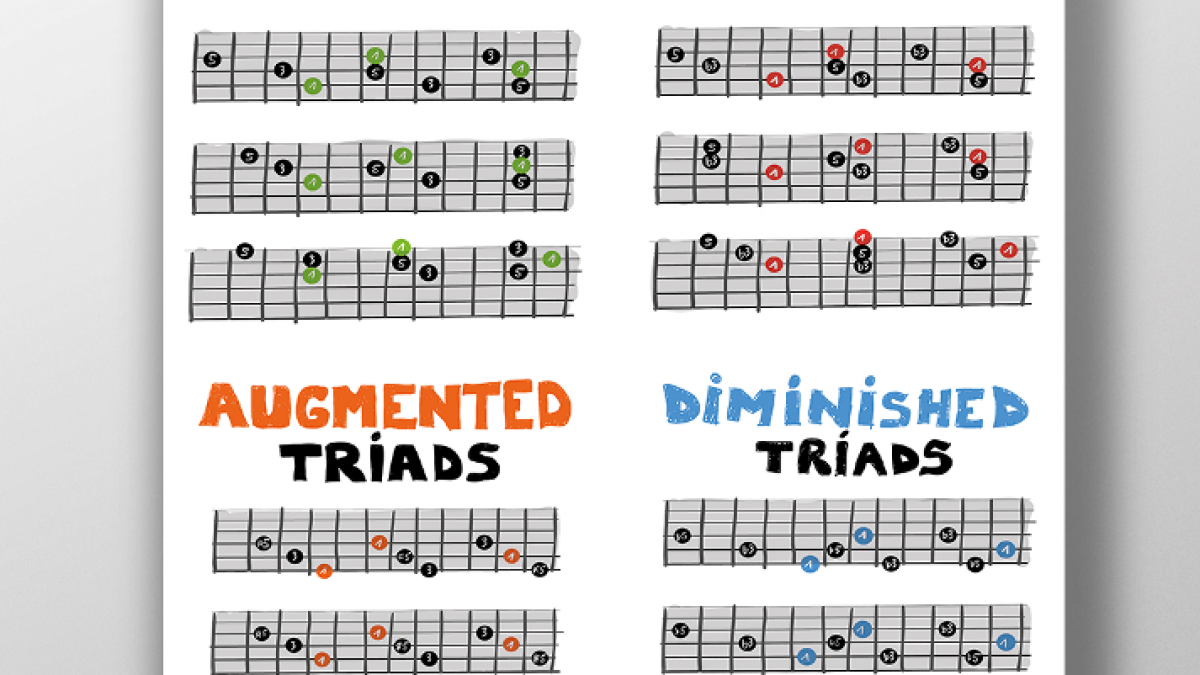
The Complete Guide to 126 Guitar Triad Shapes (Printable PDF)

Arpeggios For Guitar - 172 Shapes With Formulas - Printable PDF Method

Guitar Chord Dictionary - Printable PDF Method With Diagrams and Theory

2 5 1 Licks and Chords - 170 Jazz Guitar Exercises - PDF and Audio

Guitar Scale Dictionary - PDF Method With Formula Charts, Intervals and Diagrams

30 Minor Arpeggio Licks For Jazz Guitar - PDF Method With Audio Files


10 Minor 7 Arpeggio Patterns For Jazz Guitar | PDF With YouTube Video Link

10 Major 7 Arpeggio Licks For Beginners - PDF With YouTube Link And Backing Track
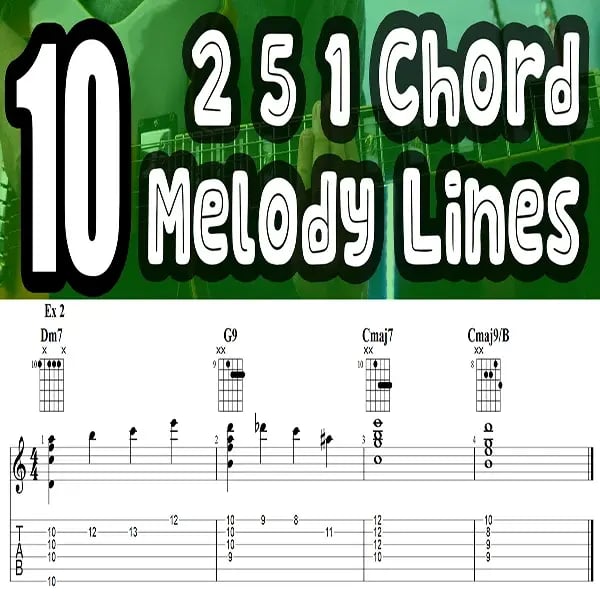
10 Easy Chord Melody Exercises For Jazz Guitar | PDF With Audio | 2 5 1 Progression

30 Groovy Jazz Guitar Licks – PDF + Audio

10 Minor Blues Scale Jazz Guitar Licks - PDF With Audio Files

Major Scale Harmonization - Shell Voicings With Extensions

Harmonic Major Scale Chords For Guitar - Printable PDF With Diagrams And Tabs

Harmonized Scales for Guitar – PDF Method | Chords & Arpeggios

CAGED Arpeggios for Guitar - PDF eBook Method - 600 Shapes

Guitar Scales & Chords Dictionary Bundle - PDF Methods

10 Side-Stepping Minor Pentatonic Licks for Guitar - PDF Method
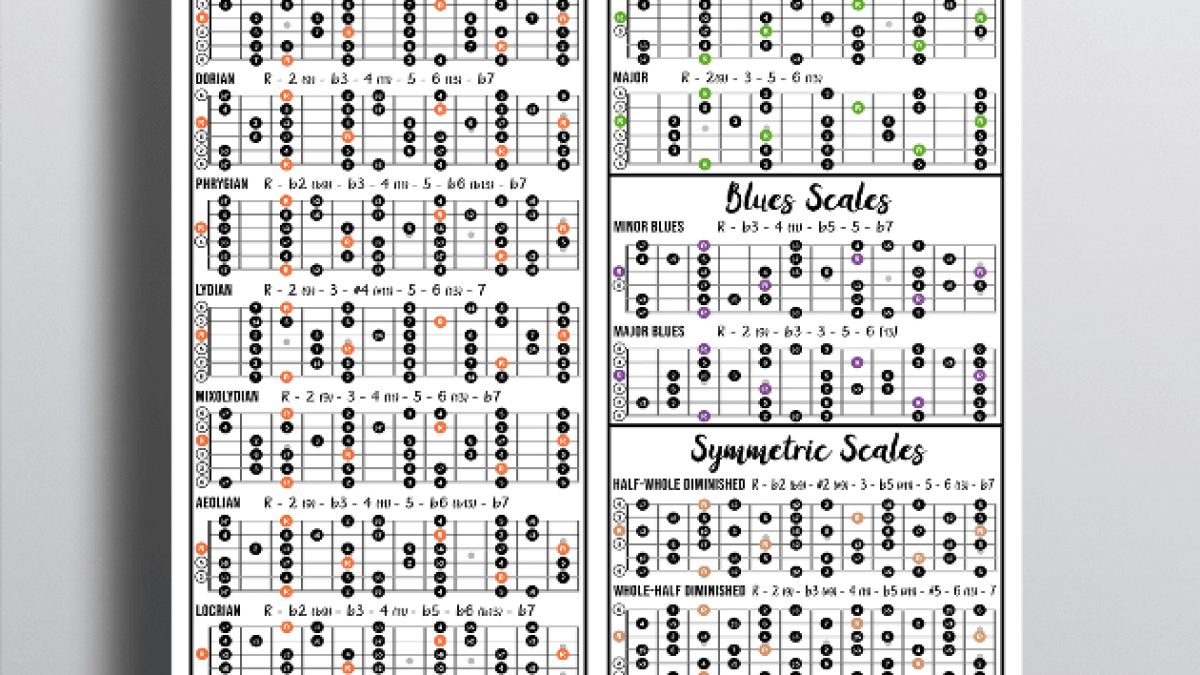
Essential Guitar Scale Shapes – Complete Fretboard Reference Poster
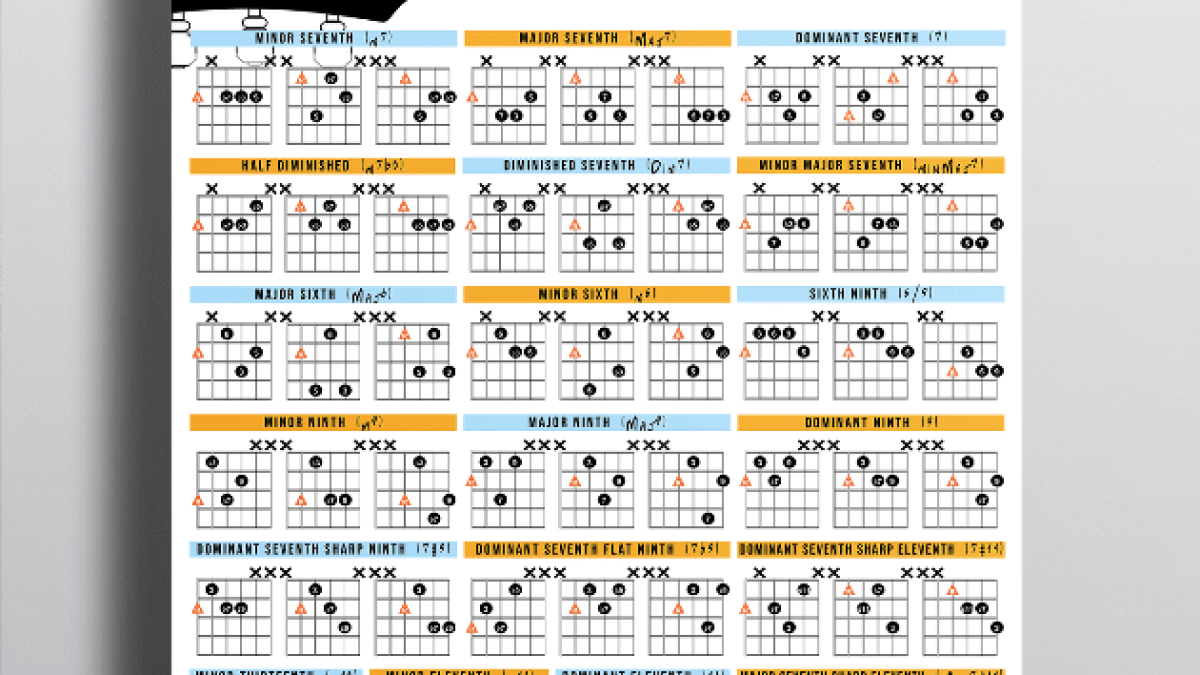
Jazz Guitar Chord Reference Chart – 63 Essential Chord Shapes

Guitar Poster - Modes of The Major Scale
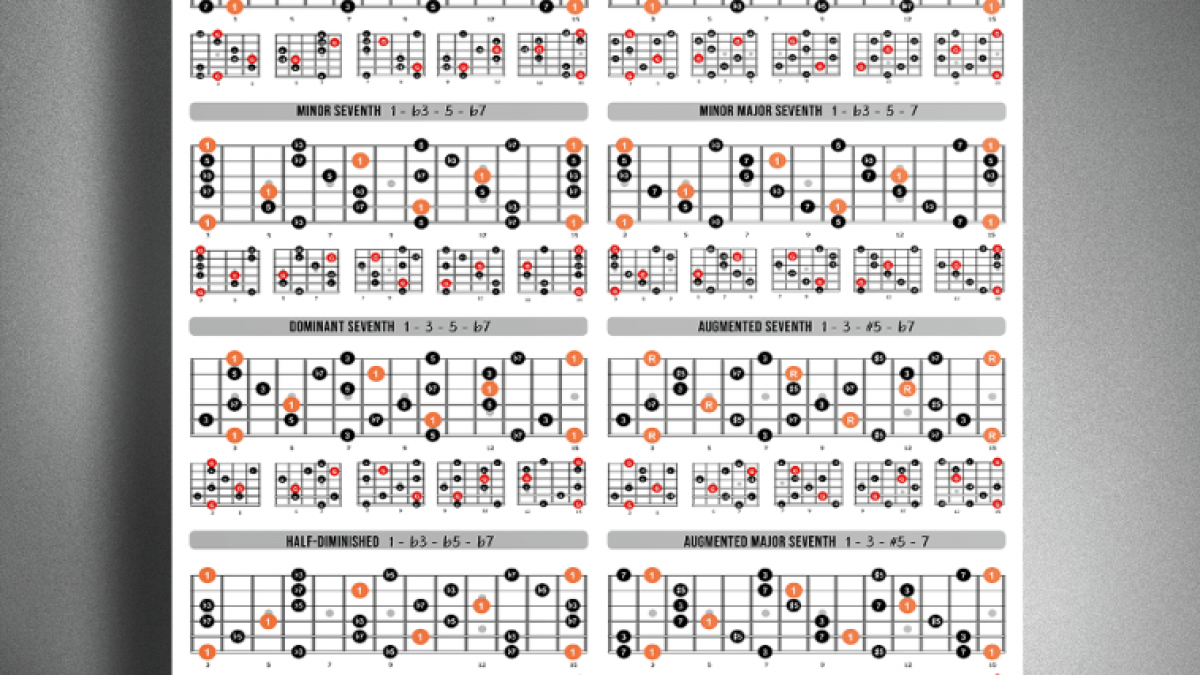
Arpeggio Shapes For Guitar - Posters and Wall Art

Decorative Guitar Poster - Four Archtop Guitars - Wall Art - Landscape Format

Melodic Minor Modes - Guitar Poster With Scale, Arpeggio And Chord Charts

Pentatonic Scales - Guitar Poster - Educative Reference Chart
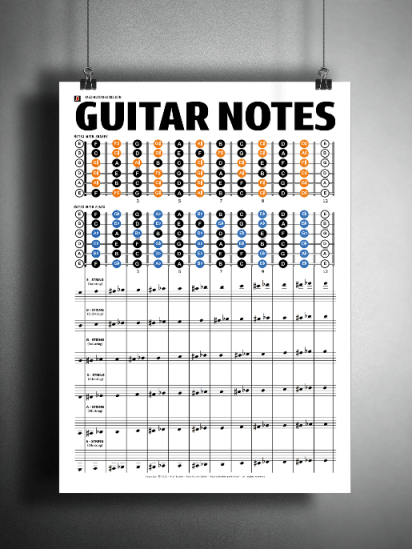
Guitar Poster With Notes On Fretboard And Staff

Intervals On Guitar - Poster With Neck Diagrams
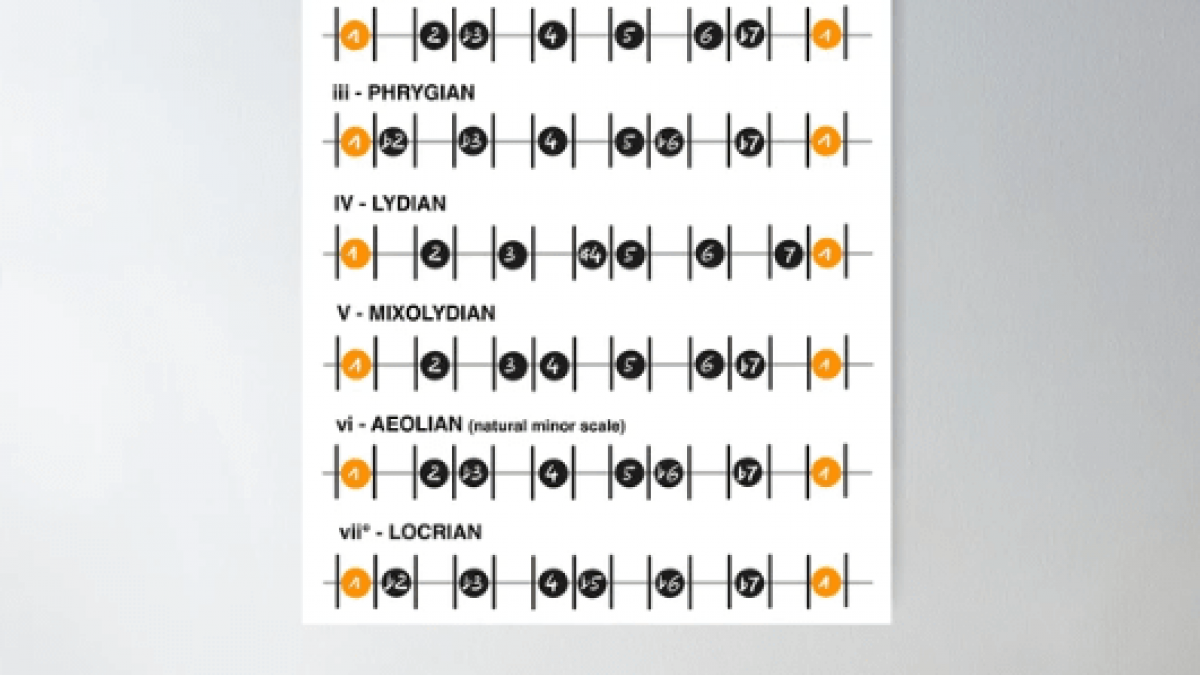
Diatonic Major Scale Modes - Guitar Theory Poster

Melodic Minor Modes - Guitar Theory Poster

Harmonic Minor Modes - Guitar Theory Poster
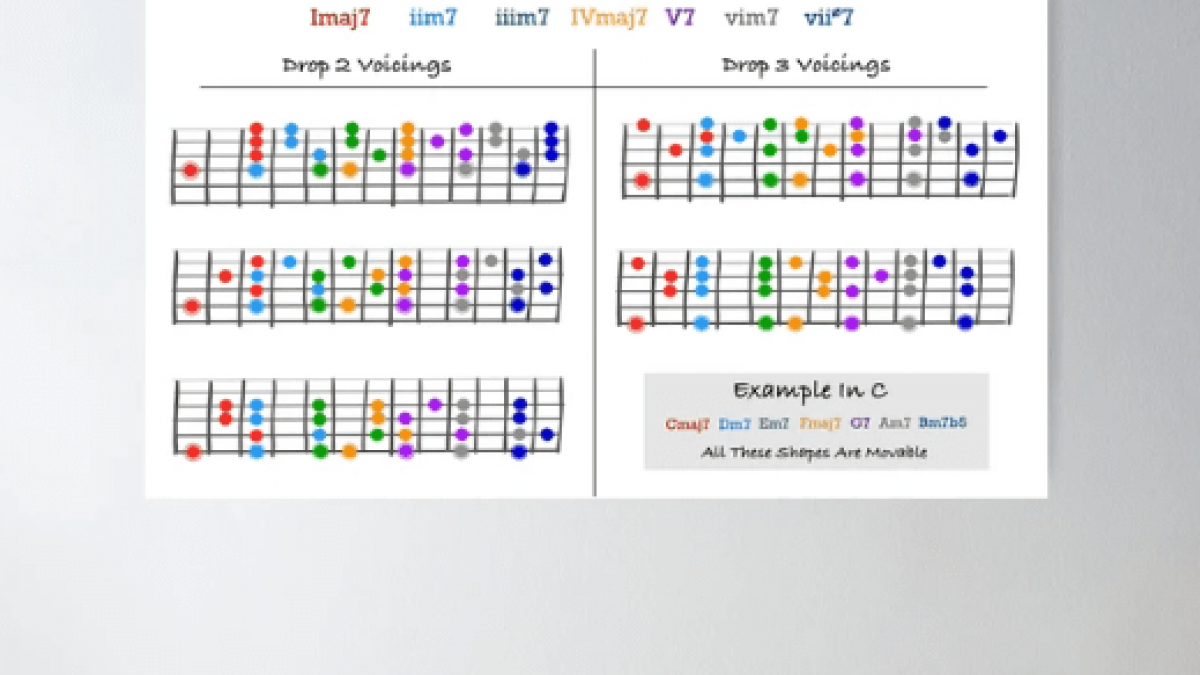
Major Scale Chords - Guitar Poster

Harmonic Minor Scale Chords - Guitar Poster

Melodic Minor Scale Chords - Guitar Poster
Last edited: 2026-08-29
Add a comment